Written by Rebecca Johnson
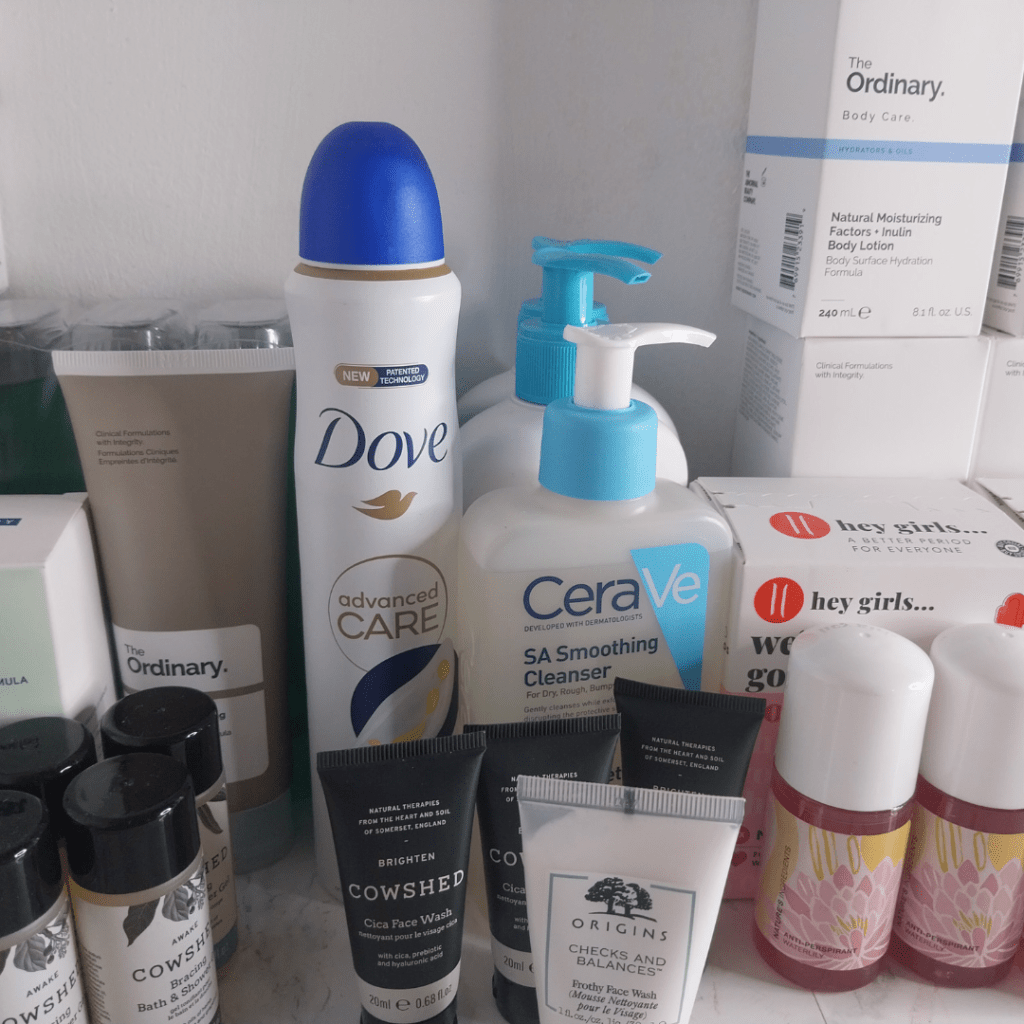
Hygiene is more than just cleanliness—it’s closely linked to self-esteem, confidence, and mental well-being. For young people, poor hygiene can be a significant barrier to social interactions, academic success, and overall happiness.
The Link Between Hygiene and Confidence
Imagine walking into school feeling self-conscious about body odor, greasy hair, or stained clothes because you don’t have access to hygiene essentials. Many young people facing hygiene poverty experience embarrassment, bullying, and social isolation, which can severely impact their self-worth. When students feel insecure about their hygiene, they may withdraw from friendships, avoid extracurricular activities, or even skip school altogether.
Mental Health Consequences
The emotional toll of poor hygiene extends beyond embarrassment. Young people struggling with hygiene poverty often develop anxiety, depression, and low self-esteem. The stress of worrying about how others perceive them can make it difficult to focus in class or engage with peers, leading to feelings of loneliness and hopelessness.
Breaking the Cycle
Addressing hygiene poverty is key to improving young people’s confidence and mental well-being. Schools, communities, and organizations must work together to provide access to hygiene products, offer supportive resources, and educate students on personal care without stigma or shame.
At Refresh Kits, we believe that every young person deserves to feel clean, confident, and empowered. By providing essential hygiene products and running workshops, we’re helping to break the cycle of hygiene poverty and support mental well-being in schools.
 Refresh Kits C.I.C
Leave a comment